
Single color and dual color LED screen


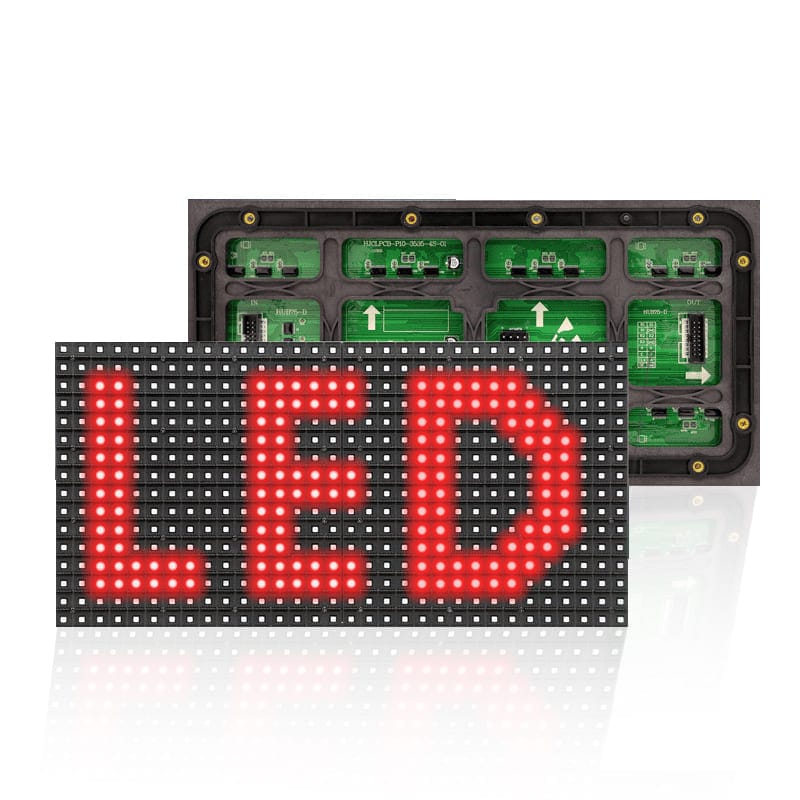
Single Color and Dual Color LED Screens: Efficient and Cost-Effective Display Solutions
Single color LED screens and dual color LED screens are highly versatile and cost-effective display solutions used for a wide range of applications. Whether you need a simple, attention-grabbing sign or a more complex display system that can show multiple colors, these screens provide reliable and efficient ways to convey your message. Offering bright, clear visuals and low energy consumption, these displays are ideal for both indoor and outdoor environments.

What Are Single Color LED Screens?
Single color LED screens display content in one color, typically red, green, or blue. They are ideal for situations where simple, high-contrast messaging is required. These screens are often used for basic advertising, signage, and messaging purposes.
- Simple & Clear Messaging: With single color LED screens, you can display bright, clear text and graphics that are highly visible even in bright lighting conditions. They’re perfect for straightforward messages like announcements, promotions, or directions.
- High Visibility: The contrast between the light-emitting diodes (LEDs) and the surrounding environment ensures that the message is visible from a distance, even in daylight or outdoor conditions.
- Energy Efficient: Single color screens are energy-efficient, using less power compared to full-color screens while still providing bright and effective displays.
What Are Dual Color LED Screens?
Dual color LED screens are capable of displaying two colors (usually red and green), which makes them more versatile than single color screens. These screens allow for more dynamic content with the ability to display multiple types of information, from simple text to basic images and graphics.
- Red & Green Displays: Dual color LED screens typically offer red and green as the primary colors, allowing for richer content display while maintaining simplicity and clarity.
- More Complex Messaging: With two colors, these screens can convey more complex messages compared to single color screens. They are perfect for displaying basic advertisements, stock tickers, or dynamic text with visual elements.
- Cost-Effective Solution: Dual color screens are more affordable than full-color displays but still provide the ability to differentiate between different types of information using color, making them a cost-effective alternative for businesses with budget constraints.
Advantages of Single Color and Dual Color LED Screens
Both single color and dual color LED screens offer unique benefits depending on your display needs. Here are some advantages of using these types of LED screens:
- Energy Efficiency: Both single color and dual color LED screens consume less power than full-color displays, making them a more energy-efficient option for businesses or organizations looking to reduce their energy costs.
- Long Lifespan: LED technology offers an impressively long lifespan, lasting up to 100,000 hours, reducing the need for frequent replacements and lowering overall maintenance costs.
- High Brightness & Visibility: These screens are designed to be highly visible in various lighting conditions, including bright sunlight, making them ideal for both indoor and outdoor applications.
- Cost-Effective: Compared to full-color LED displays, single and dual color screens are more affordable, providing a budget-friendly solution for businesses or venues with limited resources.
- Low Maintenance: With fewer components and simpler technology, these screens require less maintenance, making them a more convenient and economical choice for many businesses.
Applications of Single Color and Dual Color LED Screens
Both single color and dual color LED screens are used in various industries for different purposes. Here are some common applications for these displays:
- Retail Signage: Use single color or dual color LED screens for storefront signs, window displays, and promotional boards to advertise sales, products, or special offers.
- Transportation Hubs: Ideal for bus stations, airports, and train stations to display information like schedules, directions, or service alerts in a simple, easy-to-read format.
- Event and Exhibition Displays: Single color and dual color LED screens are often used at trade shows, conferences, and exhibitions to display event information, speaker names, and schedules.
- Public Information Boards: Use these LED screens to display public announcements, news, weather updates, or emergency information in schools, hospitals, and public areas.
- Stock Tickers and Financial Displays: Dual color LED screens are commonly used for financial markets or stock exchanges to display stock prices and other financial data in real-time.
- Advertising and Outdoor Signage: For outdoor digital advertising, both single and dual color LED screens are used to display attention-grabbing content like time, temperature, or promotions on busy streets, highways, or in high-traffic areas.
Choosing Between Single Color and Dual Color LED Screens
When deciding between a single color or dual color LED screen, it’s essential to consider your specific needs and goals for the display. Here are some factors to help guide your decision:
- Message Complexity: If you only need to display simple text or numbers, a single color LED screenmight be sufficient. For more complex messages that require visual differentiation, such as urgent information or multiple data points, a dual color LED screen is a better option.
- Budget Considerations: Single color screens are the most affordable option, while dual color screens are a cost-effective choice if you need to convey more dynamic content. Both options are more affordable than full-color displays, making them ideal for businesses with budget constraints.
- Visibility Requirements: Consider the location of the screen and the level of visibility needed. If the display will be used in outdoor settings or in direct sunlight, both single color and dual color LED screens offer high brightness and visibility.
- Content Flexibility: Dual color LED screens provide more flexibility in content presentation, allowing for more dynamic and engaging messaging. Single color screens are ideal for static, clear messages, whereas dual color screens allow for more creative expression.
LED Screen Maintenance and Longevity
Both single color and dual color LED screens are known for their long lifespan and low maintenance requirements. LED technology is inherently durable and reliable, which reduces the need for frequent repairs and replacements. Additionally, both types of screens are resistant to weather conditions, especially if they are designed for outdoor use. Proper installation, regular cleaning, and occasional checks can ensure that your LED screens remain in top condition for years.